Helen Boyd - Oil from the Ocean Floor
Mon, Oct 4th 2010 at 12:00 am - 2:00 am
Members of Penrith Rotary Club found themselves in deep
water at the town's George Hotel on Monday, when their speaker, Helen Boyd,
explained the challenges and technical solutions in recovering oil and gas at
sea. This insight was made possible as Helen is the daughter of Rotarian and
Penrith resident Dick Boyd who introduced her to members. Helen qualified as a
civil engineer before progressing to specialise in offshore pipelines, work
that has taken her to many parts of the world whilst working on installations
at sea.
In explaining the pace of change in her industry Helen
painted a picture of constantly working at the limits of
Related pages...
Rotary at Home
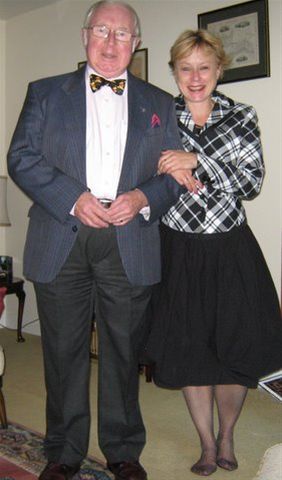
more Andy and Dawn Smart would like to invite you to their Rotary at Home event on the afternoon of Saturday 19th August (2pm to 4pm). It will follow the usual format of drinks and small eats.
Nick Capron's Job Talk
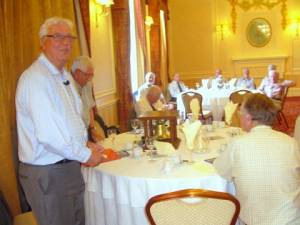
more His career took him to Rotherham then to the Falkland Islands where his role was to develop education after the military campaign.
Crown Bowling Comptetion
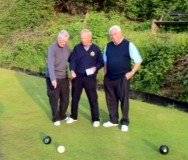
more President Malcolm leading from the front in Penrith's victory over Upper Eden in the Crown green Bowls competition.
6:00pm Dinner - Speaker John Shorter
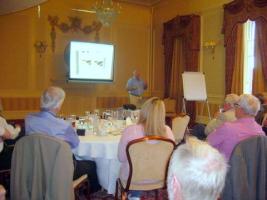
more Rotarian John Shorter with his presentation on Advanced Motoring
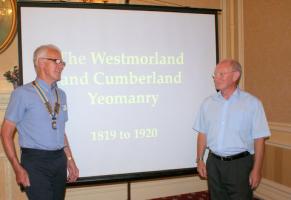
6:00pm Dinner - Speaker Peter Markey Cumberland & Westmorland Yeomanry
more Cumberland & Westmorland Yeomanry
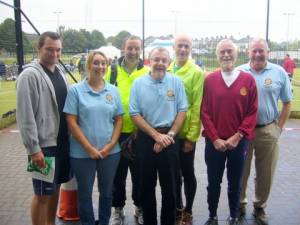
Penrith Triathlon 2012
more Penrith Rotary entered two relay teams in the annual Penrith Triathlon Registered Sprint event held at the town’s sports centre on Sunday 26 August.
Walk & Dine July 2012
more SIGN UP FORM FOR JULY 2012 WALK & DINE - TO FIND MORE INFORMATION, and view menu and map, SCROLL DOWN TO THE BOTTOM OF THE FORM
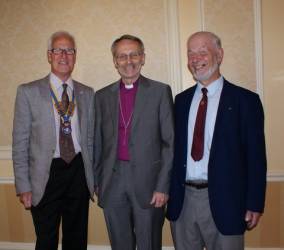
Bishop of Penrith
more Penrith Rotary Club were delighted to welcome as their guest speaker, the Bishop of Penrith, the Rt. Revd Robert Freeman at Monday’s meeting at the town’s George Hotel.
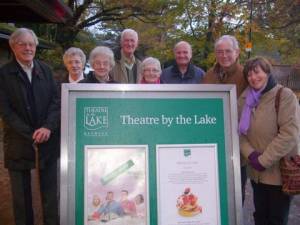
Theatre and Dine Nov 2012
more A group of Rotarians leaving the Theatre on the Lake Keswick after the matinee performance of Alan Ayckbourn's ' Bedroom Farce' Once again a fun afternoon was enjoyed in this most lovely of theatre locations.
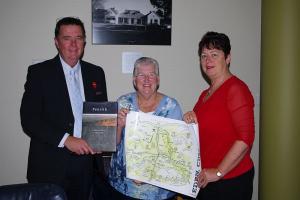
Visit from Penrith [Australia]
more Jean Vranich and her husband Luciano from Penrith, Australia attended the annual general meeting of the club on 14th May 2012. They were very warmly welcomed by the club president Malcolm Boyd.
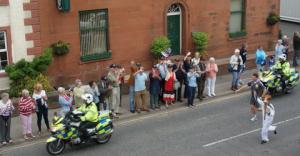
Olympic Torch Parade
more Olympic Torch Parade through Penrith 20th June 2012. Penrith Rotarians and partners were among the first to welcome the Olympic Torch into the town.
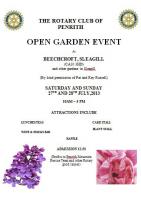
Open Gardens Event
more OPEN GARDEN EVENT at BEECHCROFT, SLEAGILL (CA10 3HD) and other gardens in Sleagill (By kind permission of Pat and Ray Russell) ATTRACTIONS INCLUDE - lunches/teas - cake stall - plant stall wine & pimms bar - raffle
Walk & Dine
more Walk & Dine
Walk & Dine
more Evening walk and dine
.jpg)
Rotary at Home
more Rotary at \Home at Jeff and Anne Fawcett's
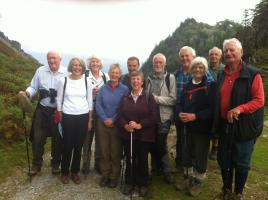
Walk & Dine
more Walk and dine
.jpg)
Rememberance Sunday Parade
more Rememberance Sunday Parade
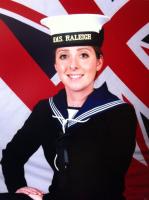
Maz joins the Royal Navy
more Former Penrith Rotarian Marianne Pelter embarks on a new career in the Royal Navy
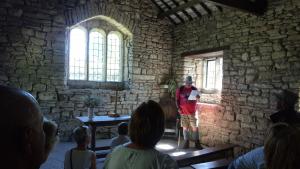
Walk and Dine
more 15 members and partners enjoyed a walk around Shap today which included some local history and was followed by an excellent lunch in the King's Arms.
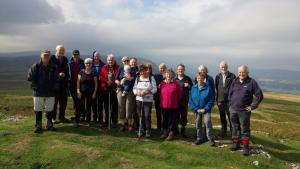
Walk & Dine
more Walk and dine
.jpg)
International Meal 2019
more Rotary International Lunch: Sunday 3rd March, 2019 at the Roundthorn Hotel
.jpg)
Penrith Triathlon 2014
more Penrith Triathlon 2014
Sports & Social
more Sports & Social
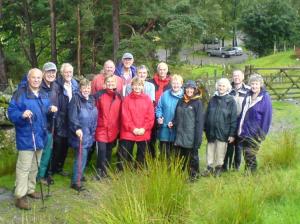
Walk & Dine
more To be arranged.
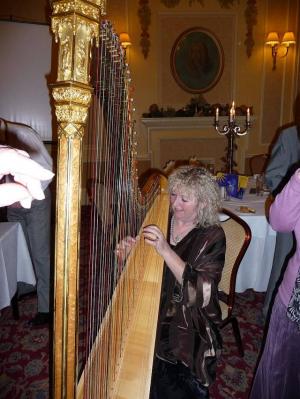
Annie Mawson's Sunbeams Music Trust
more Annie Mawson gave an informative presentation her Sunbeams Music Trust at Rotary guest night
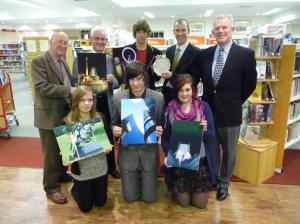
Young Photographer Presentation
more Presentation of prizes in this year's Young Photographer competition
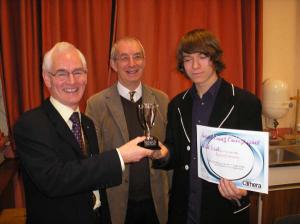
Young Photographer of the Year
more Penrith winner goes on to win district comptetion
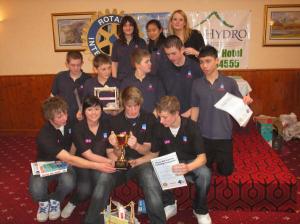
Young Technology Tournament
more It was an excellent day out and all three teams performed extremely well. The Senior team were outstanding and won the Advanced Technology Trophy. In all, 23 teams entered the Competition.
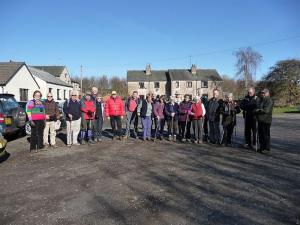
Walk & Dine 29/03/2009
more A 6 mile walk round Lowther Estate from Askham. 25 walked and 31 dined.
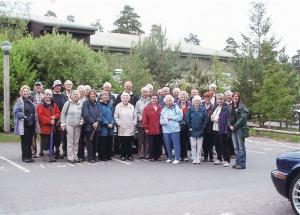
Visit to Oasis Holiday Village

Military Band Band Concert
more The band of the Kings Division in concert at St Andrews Church Penrith. Not to be missed.
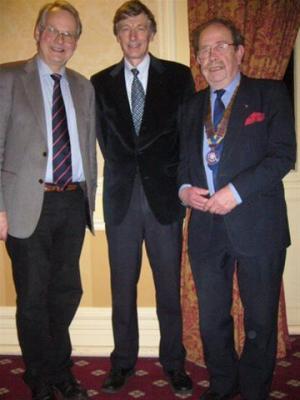
Richard Lloyd talking about osteopathy
Business Meeting/David Holme on finger prints
Brian Dawson - The Elusive Midnight Sun
Frank Smith - Aspects of Brewing
Eden Soaring & Gliding Club
Jake Newport - An African Adventure
Handover Night - Dr Theo Western - Great North Air Ambulance Service
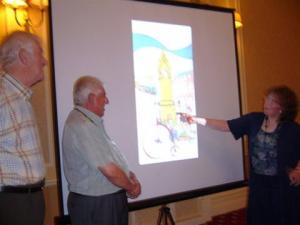
Karen MacDougall - The Coronation Garden
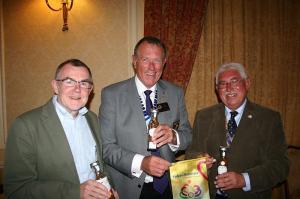
District Governor Ron Duxbury
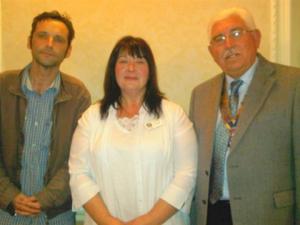
Ed Coyle - An Interactive Presentation
Antique Silver
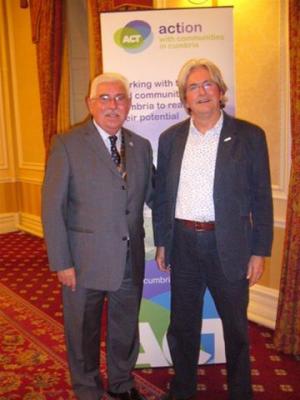
Dr Terry McCormack - Action Communities in Cumbria
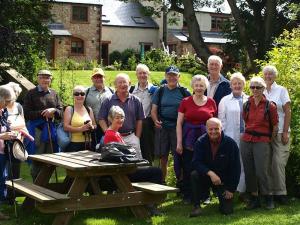
Walk & Dine
more 5 mile circular walk around Morland with lunch at the Mill Inn Yard Cafe
Visit to RAF Spadeadam
Penrith Triathlon 2011

Walk & Dine 2/10/2011

Band Concert 2011
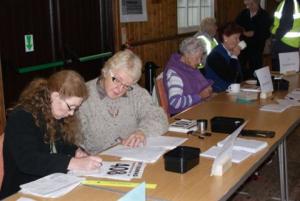
Rotarians at work!
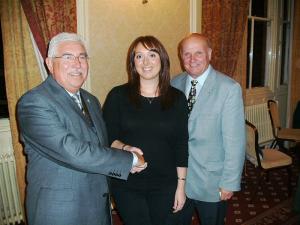
Newest and youngest member
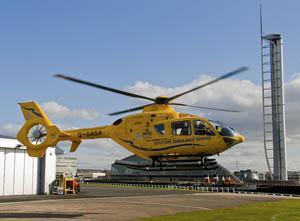
Great North Air Ambulance Presentation
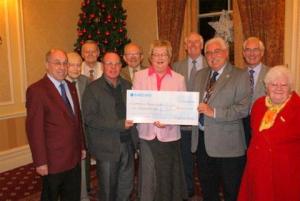
Diabetes UK Presentation
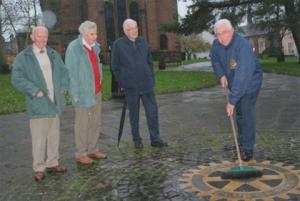
40 Years of the Rotary Garden
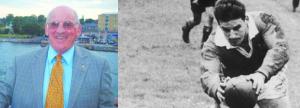
Bev Risman awarded OBE in New Year Honours
more Rugby Legend and Penrith Rotary member Bev Risman awarded OBE in New Year Honours for services to the game.
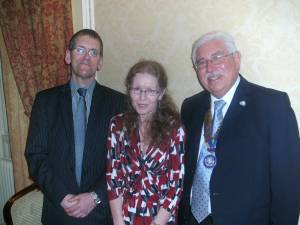
Lowther Castle & Gardens
more Lowther Castle & Gardens - the renovation continues apace
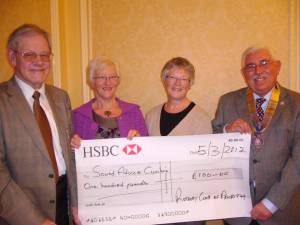
Sound Advice Cumbria
more Presentation to Sound Advice Cumbria
Walk & Dine June 2012
more Walk & Dine June 2012 A Rotary Walk and Dine via Lowther Castle and Wale started and finished at Hackthorpe followed by a superb lunch in the Lowther Castle restaurant
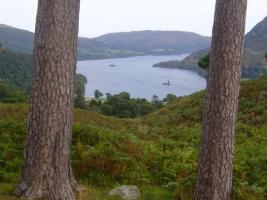
Walk & Dine September 2012
more Walk & Dine September 2012
Rotary at Home - Malcolm & Mary Boyd
more Rotary at Home Malcolm and Mary Boyd's
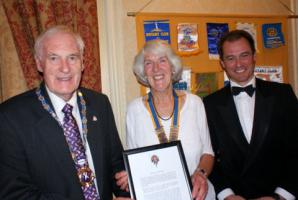
Charter Night 2014
more Club's Birthday Party at the George Hotel Penrith
District Conference
more District Conference
Heather's Swan Song
more .